

Research Classes

Selank Peptide Research: Tuftsin Analog, GABA and BDNF Studies
Selank peptide research starts with an unusual origin story. Most research peptides begin as fragments of a hormone or growth
Looking for research-grade compounds?
In the realm of laboratory research, proper peptide storage is crucial to maintain the integrity of these essential compounds. Whether dealing with lyophilized peptides or those that have been reconstituted, following best practices ensures that your research results remain accurate and reliable. This article delves into the best practices for peptide storage, focusing on maintaining optimal conditions for both lyophilized and reconstituted peptides.
Lyophilized peptides, also known as freeze-dried peptides, are typically considered stable and can be stored for extended periods. However, maintaining the right conditions is key to preserving their quality.
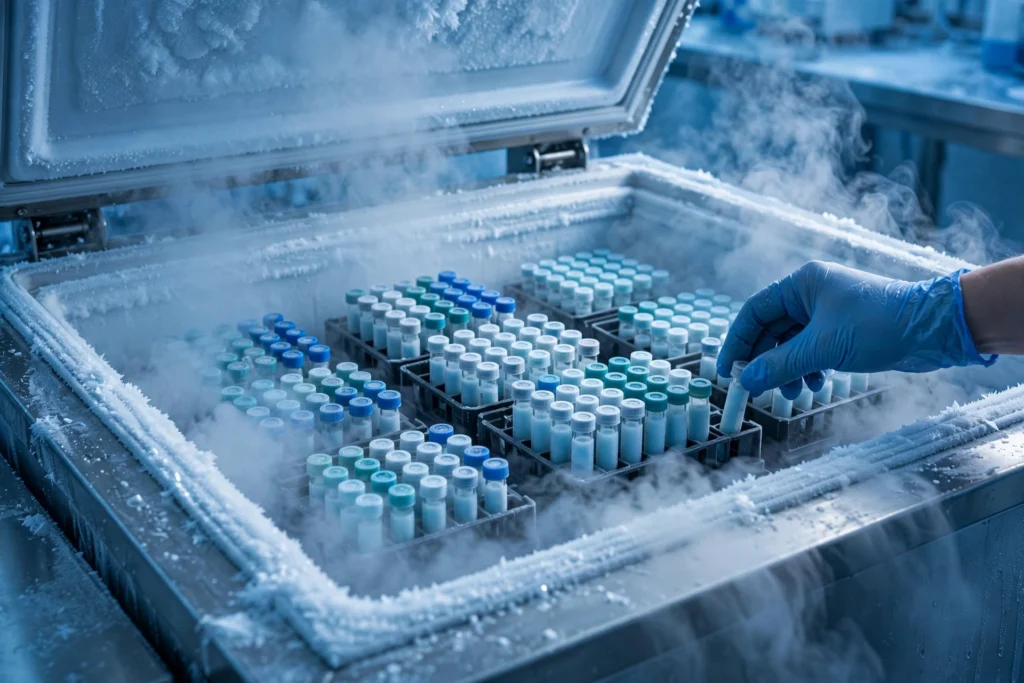
For long-term storage, it is recommended to keep lyophilized peptides at freezer temperatures, typically around -20°C. This temperature helps to halt any chemical reactions that might degrade the peptide over time. When storing peptides at these temperatures, ensure that the container is airtight to prevent moisture ingress, which can compromise the peptide’s integrity. Using vacuum-sealed packaging can be an effective way to further protect these peptides from environmental factors, ensuring their stability over the long term.
If peptides are to be used in the near term, refrigeration at temperatures between 2-8°C is generally sufficient. This approach is suitable for peptides that will be utilized within a few weeks. Always ensure that the lyophilized peptides are protected from humidity and light during this period. Storing them in an opaque container or a darkened storage area helps minimize exposure to elements that could affect their stability.
Once peptides are reconstituted, they become more susceptible to degradation and require careful handling to maintain their stability.
Reconstituted peptides should be stored in a refrigerator, typically between 2-8°C. It is crucial to use them within defined study windows, as their stability diminishes over time. Avoid exposing reconstituted peptides to repeated freeze-thaw cycles, as this can lead to the breakdown of peptide structures. Using aliquots can help prevent repeated freeze-thaw cycles, ensuring that only the needed amount is thawed and used at any given time.
Both lyophilized and reconstituted peptides should be protected from light and moisture. Use amber vials or store them in a dark environment to prevent light-induced degradation. Moisture can lead to peptide hydrolysis, so always ensure that vials are tightly sealed. Consider using desiccants in storage environments to manage humidity levels effectively and further protect the peptides from moisture-related degradation.
Handling peptide vials with care is essential to prevent contamination and degradation.
When removing vials from the freezer or refrigerator, allow them to reach room temperature before opening. This step prevents condensation from forming inside the vial, which can introduce moisture to the peptide and affect its stability. Gradual warming also helps reduce the risk of thermal shock, which might otherwise compromise the peptide’s structure.
Proper labeling of peptide vials is critical for effective batch tracking and inventory management. Include important details such as the peptide name, batch number, concentration, and reconstitution date. This information assists in maintaining an organized research environment and ensures traceability throughout the research process. Implementing a digital tracking system can further enhance inventory management, providing real-time updates on stock levels and usage.
Maintaining a cold chain during shipping is vital to ensure that peptides arrive at their destination in optimal condition.
Utilize shipping methods that uphold cold-chain logistics, ensuring that peptides remain at the appropriate temperature throughout transit. Insulated packaging and gel packs can help maintain a stable environment during shipping. Upon receipt, promptly store peptides according to their designated temperature guidelines to preserve their integrity. Establishing a protocol for receiving shipments can help labs quickly verify the condition of peptides upon arrival, reducing the risk of degradation due to prolonged exposure to suboptimal conditions.
As research becomes more sophisticated, additional considerations for peptide storage and handling may become necessary.
For researchers working with highly sensitive peptides or those engaged in long-term studies, advanced storage solutions such as ultra-low temperature freezers (-80°C) may be beneficial. These freezers provide an additional layer of protection against degradation, particularly for peptides that are sensitive to even minor temperature fluctuations.
Implementing automated systems to monitor storage conditions can significantly improve the reliability of peptide storage. Such systems can provide real-time alerts for temperature fluctuations or humidity breaches, allowing for immediate corrective action. This technology-driven approach ensures that researchers can maintain optimal storage conditions with minimal manual intervention.
Following best practices for peptide storage in research labs is essential to maintain the quality and reliability of your research findings. By adhering to guidelines for storing lyophilized and reconstituted peptides, protecting them from light and moisture, and ensuring proper handling and labeling, you can safeguard the integrity of your research materials. For more information on our range of research-grade peptides, we invite you to browse the Apex Bio Industries research catalog, where you’ll find a variety of options to support your scientific endeavors.
Keep your lab stocked with quality vials, syringes, and other research supplies for safe peptide handling.
Want practical storage and handling tips for your lab? Subscribe to the Apex newsletter for research-ready updates.
Related in the Apex shop: Research peptides at Apex Bio — supplied strictly for laboratory research use.
Selank peptide research starts with an unusual origin story. Most research peptides begin as fragments of a hormone or growth

Retatrutide Peptide Research: The Triple Agonist, TRIUMPH Trials and FDA Status Retatrutide peptide research is where incretin science stopped adding

Sermorelin Peptide Research: GHRH(1-29), GH Pulses and FDA History Sermorelin peptide research occupies an unusual place in the peptide literature:
Join the Apex list for research articles, compound guides, and subscriber-only offers. Enter your email and your 10% code appears instantly.
Use code Apex10
at checkout for 10% off.

Age Requirement
You must be 21 years or older to enter this website.
Apex Bio Industries is intended only for adults aged 21 and older. Individuals under the age of 21 are not permitted to access, purchase, or interact with products or content available through this website.
Research Use Only
All products offered by Apex Bio Industries are intended strictly for Research Use Only (RUO) purposes. These products are provided exclusively for laboratory research, scientific investigation, and educational purposes by qualified researchers and institutions. Products are not intended for human consumption, clinical use, medical treatment, diagnosis, prevention, or cure of any disease or condition. Apex Bio Industries does not provide medical advice, treatment recommendations, or instructions for personal use. Customers are responsible for ensuring that their purchase, handling, storage, and use of products comply with applicable laws, regulations, and institutional guidelines.
Please check the box above to confirm you are 21 years or older.